
Cyber Resilience Act changes the rules of the game
The core principle of the Cyber Resilience Act is simple: cybersecurity must be integrated “by design and by default.”
Manufacturers must demonstrate that cyber risks have been considered from the earliest design stages, that protective measures are properly documented, and that vulnerabilities can be managed throughout the product’s entire lifecycle.
This represents a significant shift. Whereas cybersecurity was often addressed at the end of the development process, it now becomes a fundamental design criterion, just like performance, quality, or cost.
This evolution impacts all connected products, including industrial equipment, smart building systems, communication gateways, embedded controllers, and professional connected devices.
Practical impacts at every stage of the project
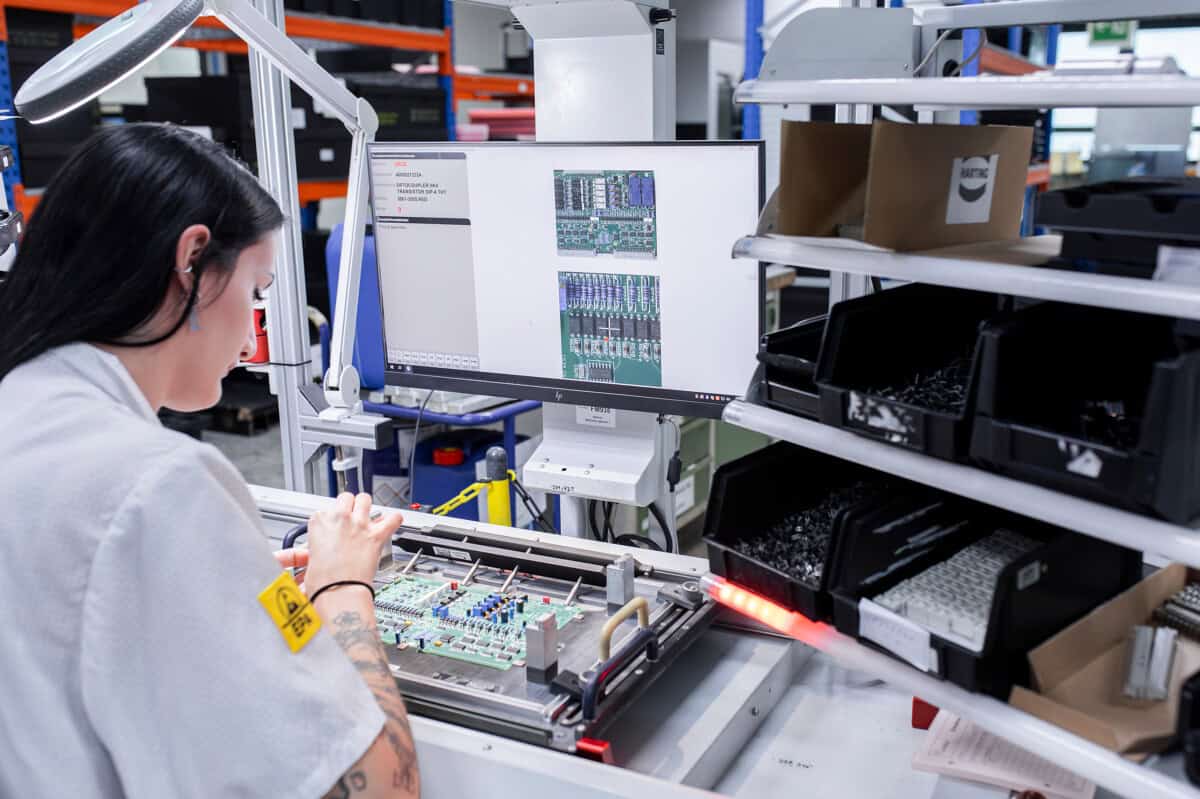
Developing with Compliance in mind
The Cyber Resilience Act requires organizations to anticipate several critical topics early in the project lifecycle:
- Security update management
- Secure communications
- Access management
- Vulnerability monitoring
- Software component traceability
- Open-source dependency management
A technology choice made at the beginning of a project can determine whether a product can be maintained for many years or whether security vulnerabilities can be addressed quickly.
The objective is therefore to integrate these requirements into the earliest architectural decisions in order to avoid costly changes once development is already well advanced.
Industrializing without compromising compliance
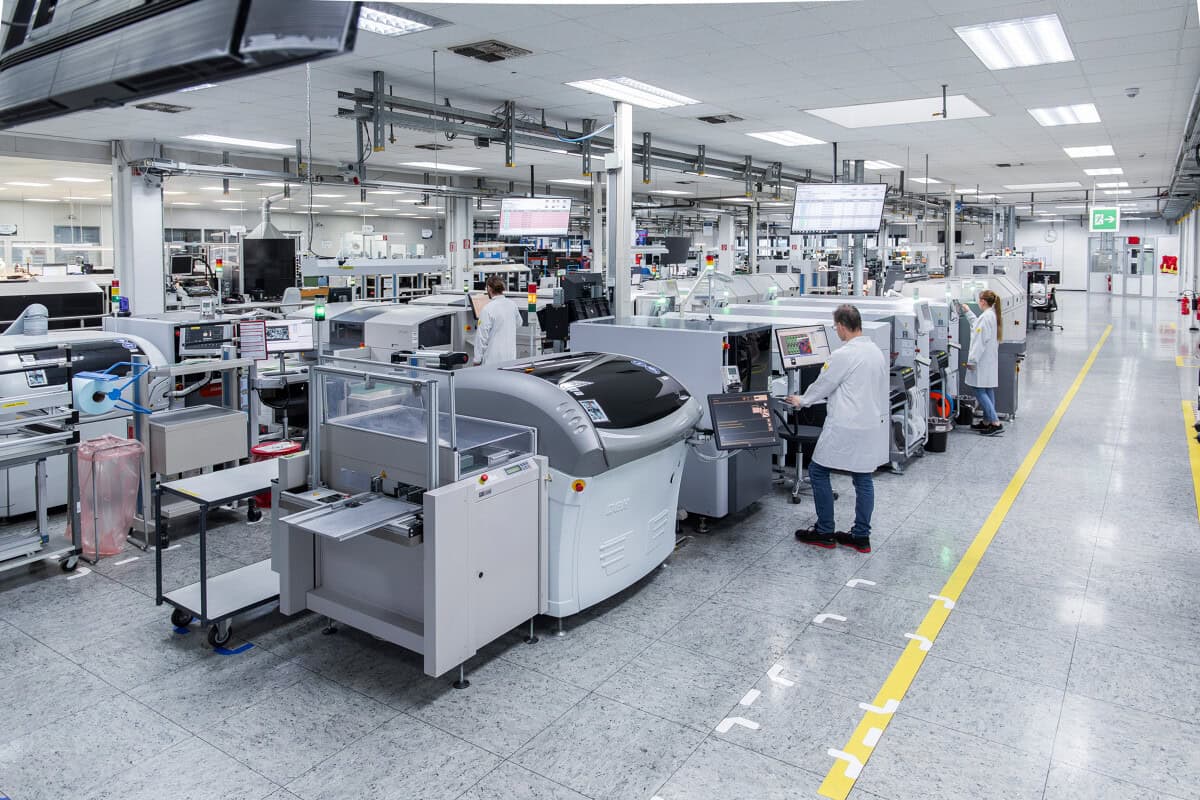
Compliance does not end after the design phase.
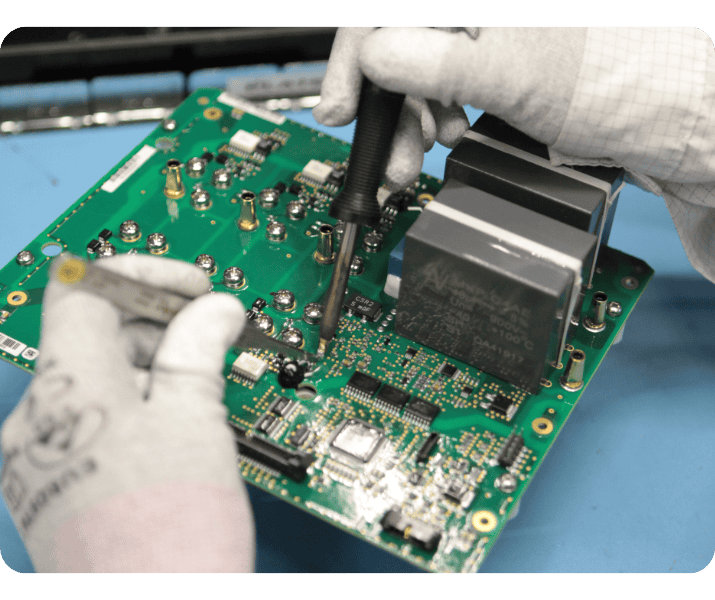
When transitioning to industrial production, the product must be manufactured consistently and reproducibly while maintaining the originally defined level of security.
A component substitution, a bill of materials (BOM) change, or a firmware modification can affect the risk assessment or technical documentation.
Compliance therefore depends on maintaining consistency between the original design, the products actually manufactured, and the associated evidence and documentation.
Managing the supply chain
The Cyber Resilience Act also strengthens manufacturers’ responsibility for third-party components and software integrated into their products.
This requirement directly aligns with the resilience challenges already familiar to industrial organizations:
- Supplier qualification
- Obsolescence management
- Supply security
- Change traceability
As a result, supply chain management becomes a key element of a compliance strategy.

Maintaining security over time
The Cyber Resilience Act also introduces ongoing responsibilities after a product has been placed on the market.
Manufacturers must be able to identify vulnerabilities, assess their impact, deploy corrective actions, and communicate rapidly in the event of an incident.
Cybersecurity is therefore no longer a one-time validation step before commercialization. It becomes a long-term commitment throughout the entire product lifecycle.
An organizational challenge as much as a technical one
The Cyber Resilience Act is not only a concern for cybersecurity experts.
R&D, industrialization, quality, procurement, supply chain, production, and support teams are all directly involved.
Architecture choices influence a product’s future security. Procurement decisions affect maintainability. Industrial constraints impact traceability and documentation.
For many companies, the real challenge lies in coordinating all these disciplines while meeting cost, quality, and delivery objectives.
Why choosing the right partner becomes strategic
Faced with this growing complexity, manufacturers are looking for partners capable of supporting the entire product lifecycle.
The challenge is no longer limited to developing or manufacturing a product. It is about creating continuity between:
- Electronic design
- Embedded software
- Cybersecurity
- Industrialization
- Manufacturing
- Lifecycle management
The most significant risks often arise at the interfaces between these stages: insufficient documentation, maintenance difficulties, component obsolescence, or inconsistencies between design and production.




LACROIX Electronics: From Design to Production
This is precisely the approach developed by LACROIX Electronics.
Through its Design Center and manufacturing facilities, LACROIX supports electronic projects from the earliest design stages through to mass production.
This continuity makes it possible to integrate, from the outset, the factors that will influence future compliance: product architecture, component selection, maintenance, cybersecurity, documentation, and industrialization.
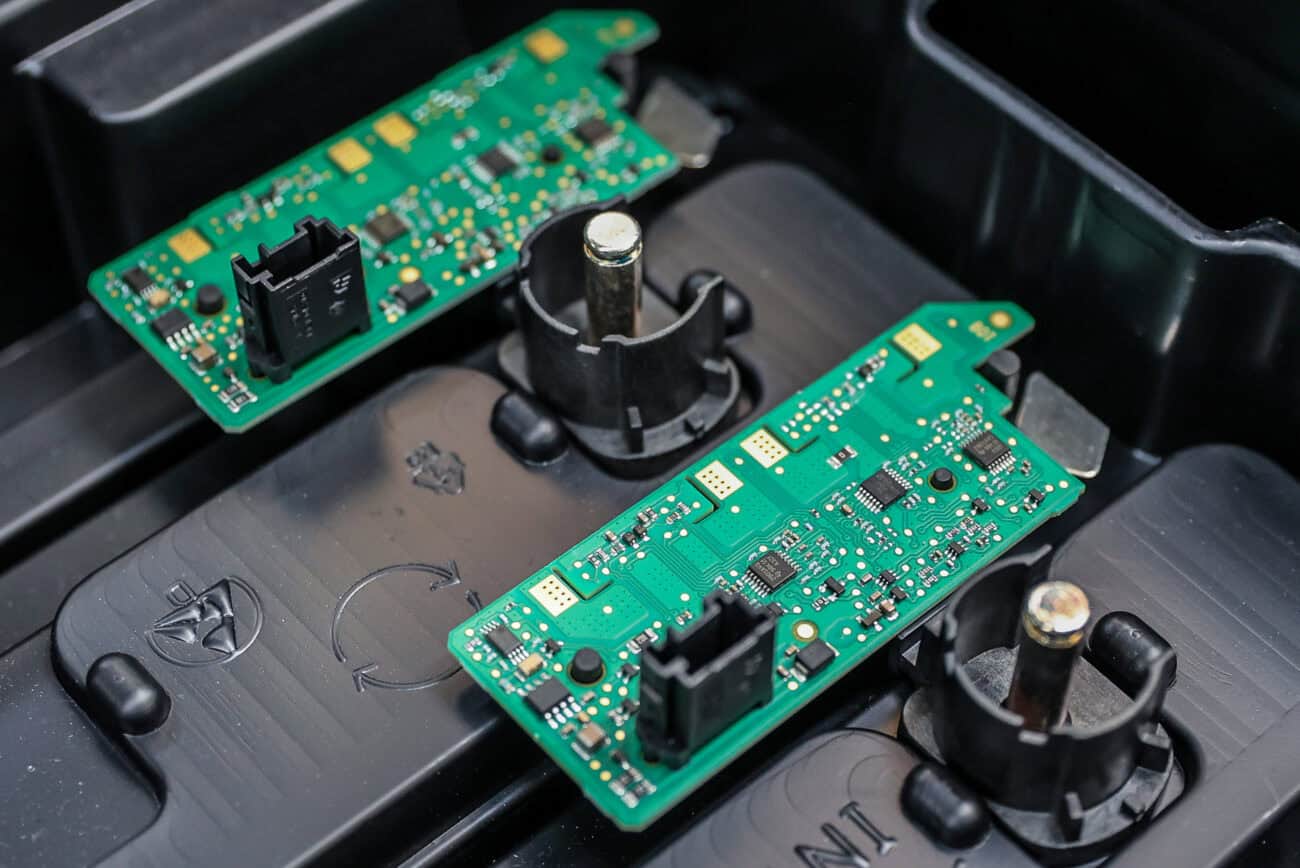
The Design Center brings together expertise in electronics, embedded software, cybersecurity, connectivity, cloud technologies, and industrialization, enabling simultaneous consideration of performance, security, and manufacturability requirements.
In the context of the Cyber Resilience Act, this approach helps reduce gaps between design and production, anticipate industrial constraints, and limit the risk of costly late-stage requalification.
Turning compliance into a competitive advantage
The Cyber Resilience Act is often seen as another regulatory constraint. Yet companies that anticipate its requirements today can transform it into a genuine competitive advantage.
In sectors such as industry, energy, and smart buildings, cybersecurity is gradually becoming as important a selection criterion as quality or performance.
Anticipating Cyber Resilience Act requirements not only helps reduce regulatory risks, but also enables the development of products that are more reliable, more sustainable, and more competitive.
Compliance is no longer achieved only at the point of market launch. It begins with the earliest design decisions and must be maintained throughout the product lifecycle. That is why an integrated approach connecting the Design Center, industrialization, and mass production is now a key lever for preparing connected products to meet tomorrow’s requirements.